





Going back to school as an adult is equal parts exciting and overwhelming. You have career goals. You have responsibilities. You probably have a calendar that already feels full. Adding online classes to the mix can feel like stacking one more thing onto a very tall pile.
The good news? Online college courses are built for your real life. With the right strategies, systems, and support, you can balance work, family, and school without burning out. It is not about being perfect. It is about being intentional.
TL;DR: Tips for Avoiding Burnout While Studying Online
Here’s the quick version:
Get clear on your “why” so you stay motivated when things get busy
Build a realistic weekly schedule that reflects your actual life
Prioritize tasks using a simple system that keeps you focused
Communicate early and often with family, employers, and instructors
Create a dedicated study routine, even if it is short
Use flexible, self-paced options to reduce pressure
Protect your energy with boundaries and self-care
Balancing it all is possible. It just requires planning, flexibility, and the right learning format.
Why Is Avoiding Burnout as an Adult Learner so Challenging?
Avoiding burnout while balancing work, life, and school is hard because you are managing multiple full-time responsibilities at once.
As an adult learner, you are not just a student. You might also be a parent, partner, caregiver, or full-time employee. Unlike traditional students, your time is already committed before classes even begin.
Online education offers flexibility, but flexibility still requires structure. Without a plan, it is easy to:
Fall behind on assignments
Feel guilty about time spent studying
Sacrifice sleep to meet deadlines
Experience burnout
The key is recognizing that balance does not mean giving equal time to everything. It means giving focused time to what matters most in that moment.
When you shift your mindset from “doing it all” to “doing what matters right now,” everything becomes more manageable.
How Do You Create a Realistic Schedule That Actually Works?
The best schedule is one that reflects your real life, not your ideal life.
Start by mapping out your fixed commitments:
Work hours
Commute time
Family responsibilities
Standing appointments
Then, look for pockets of time you can dedicate to school. Maybe it is:
45 minutes before work
An hour during lunch breaks
Two focused hours on Saturday morning
Be honest about your energy levels. If you are exhausted after 9 p.m., do not schedule your hardest coursework then. Instead, use that time for lighter tasks like reviewing notes or watching lecture videos.
Many adult learners find success using time blocking. Assign specific tasks to specific time slots. For example:
Tuesday 7–8 p.m.: Read Chapter 3
Thursday 12–1 p.m.: Draft discussion post
Saturday 9–11 a.m.: Work on project
When you treat study time like a meeting, you are more likely to protect it.
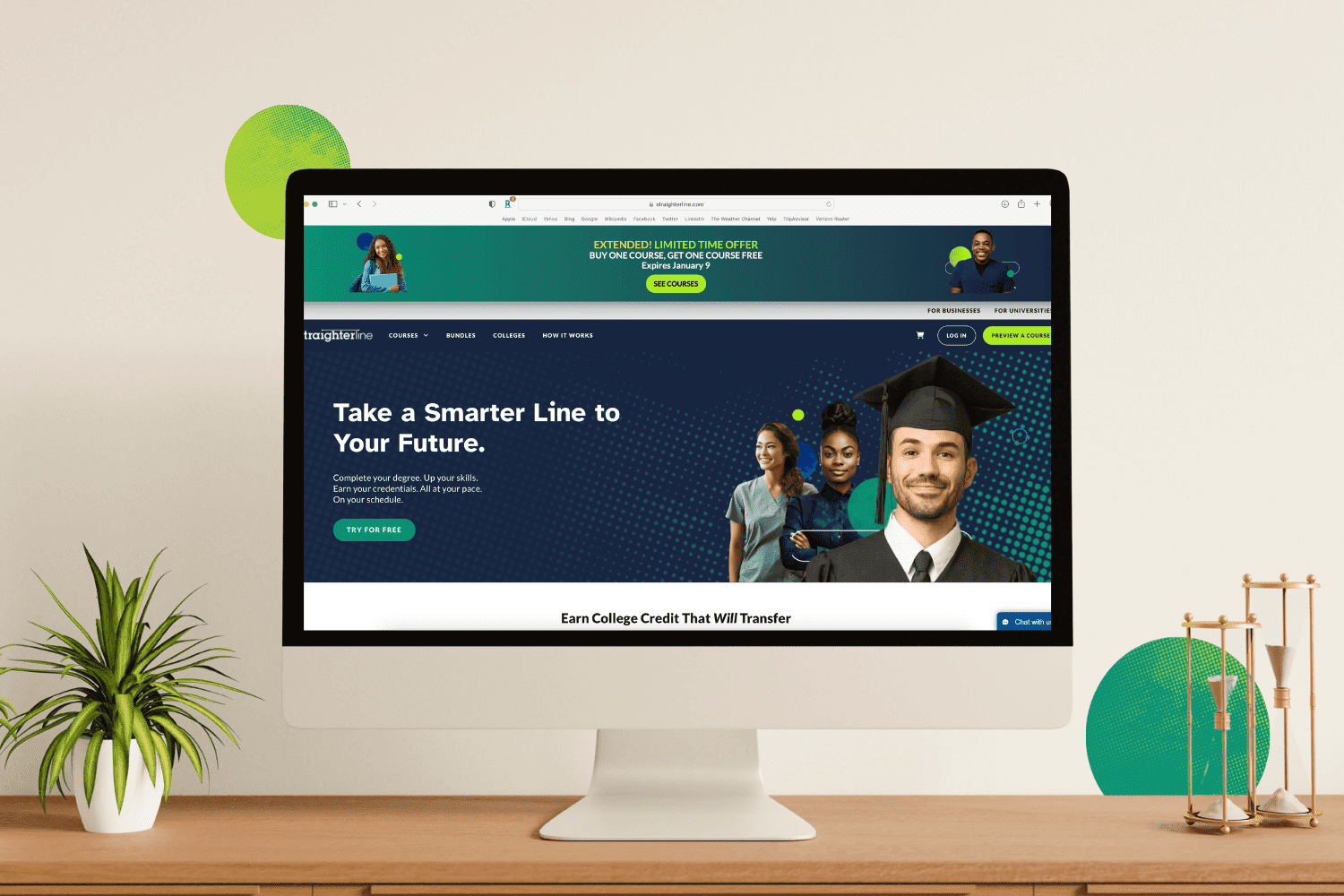
Flexible, self-paced courses can make this even easier. For example, StraighterLine offers online courses designed to fit around your schedule, not the other way around. If one week gets busy at work, you can adjust your pace without derailing your progress. That kind of flexibility can make a major difference when life gets unpredictable.

How Can You Stay Organized Without Feeling Overwhelmed?
Staying organized starts with simplifying your system.
You do not need three planners and five apps. You need one reliable place to track:
Assignment deadlines
Exams
Work obligations
Family events
Choose a tool you will actually use, whether that is a digital calendar or a paper planner. Then, review it weekly.
A helpful method for adult learners is the “Top Three” rule. Each day, identify the three most important tasks that must get done. If you finish those, the day is a success.
Break large assignments into smaller pieces. Instead of “Write research paper,” schedule:
Research sources
Outline paper
Draft introduction
Revise and edit
Small wins build momentum. Momentum builds consistency.
And remember, organization is not about perfection. It is about reducing mental clutter so you can focus on learning.
What If Your Job Gets in the Way?
Work demands will fluctuate, so your school plan needs built-in flexibility.
Busy seasons happen. Deadlines stack up. You might need to work late or travel unexpectedly.
Instead of waiting until you fall behind, plan ahead:
Look at your syllabus early and note major assignments
Start projects earlier than you think you need to
Communicate with your instructor if conflicts arise
If your employer is supportive, consider having a conversation about your educational goals. Some companies offer tuition reimbursement or flexible scheduling for employees who are upskilling.
Choosing the right program also matters. Online courses that allow you to move at your own pace can be especially helpful when your work schedule is unpredictable. StraighterLine, for instance, allows students to start courses when they are ready and progress as their time allows. That means a hectic work week does not automatically translate into a missed deadline.
The goal is not to eliminate work stress. It is to make sure your education can adapt alongside it.
How Do You Make Time for Family and Still Succeed in School?
Balance with family starts with clear communication and shared expectations.
One of the biggest stressors for adult learners is guilt. You may feel like studying takes time away from loved ones.
Instead of silently carrying that pressure, talk about it.
Explain:
Why you are going back to school
How it benefits your future
What temporary adjustments may be needed
Consider creating a shared family calendar so everyone knows your study times. Younger kids can even have their own “study time” while you work.
It is also important to schedule intentional family time. If Saturday morning is for school, maybe Saturday evening is for a movie night or dinner out. When your family sees that they are still a priority, it reduces tension.
Remember, this season is temporary. The long-term benefits of earning credits, completing a degree, or advancing your career will positively impact the whole household.
How Can You Avoid Burnout as an Adult Learner?
Avoiding burnout requires protecting your energy, not just your time.
It is tempting to sacrifice sleep and downtime in the name of productivity. But running on empty makes everything harder.
Build in non-negotiables:
7 to 8 hours of sleep when possible
Short daily movement, even a 10-minute walk
One guilt-free break each week
Pay attention to warning signs like constant fatigue, irritability, or lack of focus. If you notice them, scale back where you can.
Burnout often comes from unrealistic expectations. You do not need to take a full course load to be successful. Taking one or two classes at a time is still progress.
Online learning should fit into your life in a sustainable way. Flexible options, affordable courses, and self-paced formats can help reduce financial and time pressure. When education feels manageable, it becomes energizing instead of exhausting.
What Study Habits Work Best for Busy Adults?
Short, consistent study sessions are more effective than cramming.
Research consistently shows that distributed learning improves retention. For adult learners, this approach is also more realistic.
Try:
Studying in 30 to 60 minute focused blocks
Turning off notifications during that time
Setting a specific goal for each session
Active learning strategies also save time. Instead of passively rereading notes, quiz yourself, summarize concepts out loud, or teach the material to someone else.
If your course is self-paced, you can align your study habits with your natural rhythm. Some weeks you may move quickly. Other weeks you may slow down. Having that control can reduce stress and help you stay consistent over the long term.
Is Online Education Really Flexible Enough for Adults?
Yes, but the level of flexibility depends on the program you choose.
Not all online programs are created equal. Some still follow rigid semester schedules with fixed due dates. Others offer rolling enrollment and self-paced progress.
When evaluating options, ask:
Can I start anytime?
Are there strict weekly deadlines?
How long do I have to complete the course?
Is it affordable enough to reduce financial stress?
For many adult learners, affordability and flexibility go hand in hand. StraighterLine offers online college courses designed to be low-cost and self-paced, allowing students to earn credit without the pressure of a traditional academic calendar. That combination can make balancing work and life far more realistic.
The right program should support your schedule, not compete with it.
What Mindset Shift Makes the Biggest Difference?
The biggest shift is viewing this balance as a season, not a permanent state.
There will be weeks when school takes more attention. There will be times when work or family comes first. That does not mean you are failing. It means you are adjusting.
Instead of aiming for perfect equilibrium, aim for forward progress.
Celebrate small milestones:
Completing a course
Submitting a challenging assignment
Passing an exam
Each step moves you closer to your goal.
You chose to continue your education for a reason. Maybe it is a promotion. Maybe it is a career change. Maybe it is personal fulfillment. Hold onto that reason when your calendar feels full.
Your Next Step Starts Today
Balancing work, life, and online education as an adult learner is not about having more hours in the day. It is about using the hours you have with intention. With a realistic schedule, strong communication, manageable course loads, and flexible learning options, you can move forward without putting the rest of your life on pause.
If you are ready to take that next step, start with a learning option built for busy adults:
StraighterLine’s flexible, affordable online courses allow you to earn college credit on your schedule, at your pace. It’s a practical way to keep your career, your family, and your education moving forward together.
You do not have to choose between your responsibilities and your goals. With the right plan and the right support, you can do both!
FAQs
How many classes should I take while working full time?
Most adult learners find that one or two courses at a time is manageable while working full time. The right number depends on your schedule, energy level, and outside responsibilities. Starting small can help you build momentum without burning out.
How do I stay motivated in online education as an adult learner?
Staying motivated starts with a clear goal. Remind yourself why you enrolled, track small milestones, and celebrate progress along the way. Creating a consistent study routine and choosing flexible courses can also make it easier to stay on track.
What is the best study schedule for busy adults?
Short, focused study sessions scheduled throughout the week tend to work best. Time blocking 30 to 60 minutes at a time and assigning specific tasks to each session can improve consistency and retention.
Is online education flexible enough for working parents?
Many online programs are designed with flexibility in mind, but not all offer the same level of control. Self-paced courses that allow you to start anytime and move at your own speed are often the most manageable for working parents.
How can I avoid burnout while balancing work, life, and school?
Protecting your sleep, setting realistic expectations, communicating with your support system, and limiting your course load can help prevent burnout. Balance is about steady progress, not perfection.