





Adult learners bring experience, discipline, and goals to the online classroom. But they also juggle work, family, and life. That’s why knowing the right learning strategies makes all the difference in staying motivated, retaining knowledge, and finishing strong when pursuing your academic goals.
TL;DR: What You Need to Know Now
Set clear goals and break them into daily tasks.
Design a consistent study routine that fits your life.
Use active learning, not passive reading or watching.
Leverage tools like calendars, timers, and apps.
Connect with peers and instructors for support.
Apply what you learn in real life (or career).
Track progress and adjust strategies regularly.
Stay mindful of wellbeing — breaks, sleep, stress matter.
Use modern techniques like microlearning and spaced practice.
Choose online courses that match your pace and goals — like StraighterLine’s flexible, self-paced options.

What Makes Online Learning Different for Adult Learners?
Adult learners who take self-paced online courses benefit from flexibility and autonomy, but those same advantages require strong self-direction and practical strategies to stay on track. Like younger students, adult learners typically study with a goal in mind — career growth, skill development, or finishing a degree — and that motivation becomes a powerful asset when paired with smart learning habits.
What’s the Number One Thing Adult Learners Should Do First?
Set clear, outcome-based goals from the start.
Before you even open your first lesson, know what success means for you — is it mastering a topic, earning transferable credits, or earning a degree? Break these big goals into smaller weekly targets (for example, “complete Module 1 by Wednesday,” “review quiz mistakes on Friday,” “apply concepts to a real task on Sunday”). This keeps motivation high and progress measurable.
Why it matters: Adults thrive when they see direct relevance and movement toward their goals. This mindset fuels persistence when things get challenging.
How Can Adult Learners Organize Their Time Better?
Create a personalized study schedule that fits your life, not the other way around.
Consistency beats cramming. Map study times to your most productive hours (early morning, lunch break, late evening), block them out on your calendar, and treat them like real appointments. Use tools like digital planners or time-blocking calendars to break work into actionable chunks.
Pro tip: Use the Pomodoro Technique — 25 minutes of focused work, followed by a short break — to make large tasks feel manageable.
What’s the Most Effective Way to Study Online Content?
Active learning strategies outshine passive reading or video watching.
Adults learn best by doing, not just consuming. That means:
Take structured notes with your own summaries.
After each lesson, outline the main takeaways in your own words.
Create flashcards or self-quizzes.
Apply concepts to real-world problems or your career.
This reinforces memory and shows practical connections between theory and application.
How Should You Track Progress and Stay Accountable?
You succeed when you measure what matters.
Set periodic check-ins with yourself (weekly or bi-weekly):
What did you complete this week?
Where did you struggle?
What’s one measurable improvement you want next week?
Share goals with a friend or study buddy. Accountability increases commitment and reduces the “I’ll do it later” trap. Online platforms often have dashboards and progress trackers; check them frequently to see how close you are to mastery.
How Do You Stay Engaged Without a Traditional Classroom?
Build connections with people and content.
Learning doesn’t have to be solitary:
Join online discussion boards or virtual study groups.
Reach out to instructors for clarifications.
Teach a concept to a friend or colleague. Teaching is one of the best ways to learn.
This combats isolation and deepens understanding.
How Do You Make Learning Stick Longer?
Use spaced practice and retrieval methods.
Instead of marathon study sessions, spread your review out:
Revisit key concepts days or weeks after first learning them.
Quiz yourself instead of re-reading notes.
This method, often called spaced repetition, strengthens long-term retention far more than cram sessions. Behavioral science shows that returning to material over time builds deeper neural pathways, reducing forgetting.
What Are Smart Modern Techniques Adult Learners Can Use?
Leverage microlearning, gamification, and multimodal strategies.
These modern learning strategies are built for busy adult brains:
Microlearning: Break lessons into short learning bursts, ideal when time is tight.
Gamification: Use progress badges, checklists, and small rewards to make learning fun and motivating.
Multimodal Learning: Combine reading, videos, quizzes, and practical tasks to support different learning styles.
These techniques reduce fatigue, increase engagement, and make learning feel achievable — even on the busiest days.
How Can You Balance Well-Being and Online Learning?
Your brain learns best when you take care of your whole self.
It’s easy to overwork, especially when studying online at odd hours. To protect your well-being:
Prioritize sleep. Memory consolidates while you sleep.
Schedule regular breaks to prevent burnout.
Practice stress-reducing habits like brief walks or meditation.
Don’t hesitate to reset your study plan when life gets busy.
Well-being isn’t optional. It’s part of sustainable success.
What Should You Look For in an Online Course Provider?
Choose flexibility, support, and credentials that match your goals.
Not all online courses are created equal. Adult learners do best when:
Courses are self-paced and fit around existing life commitments.
Credits are transferable toward real credentials.
Resources like tutoring, success planning, or community forums are available.
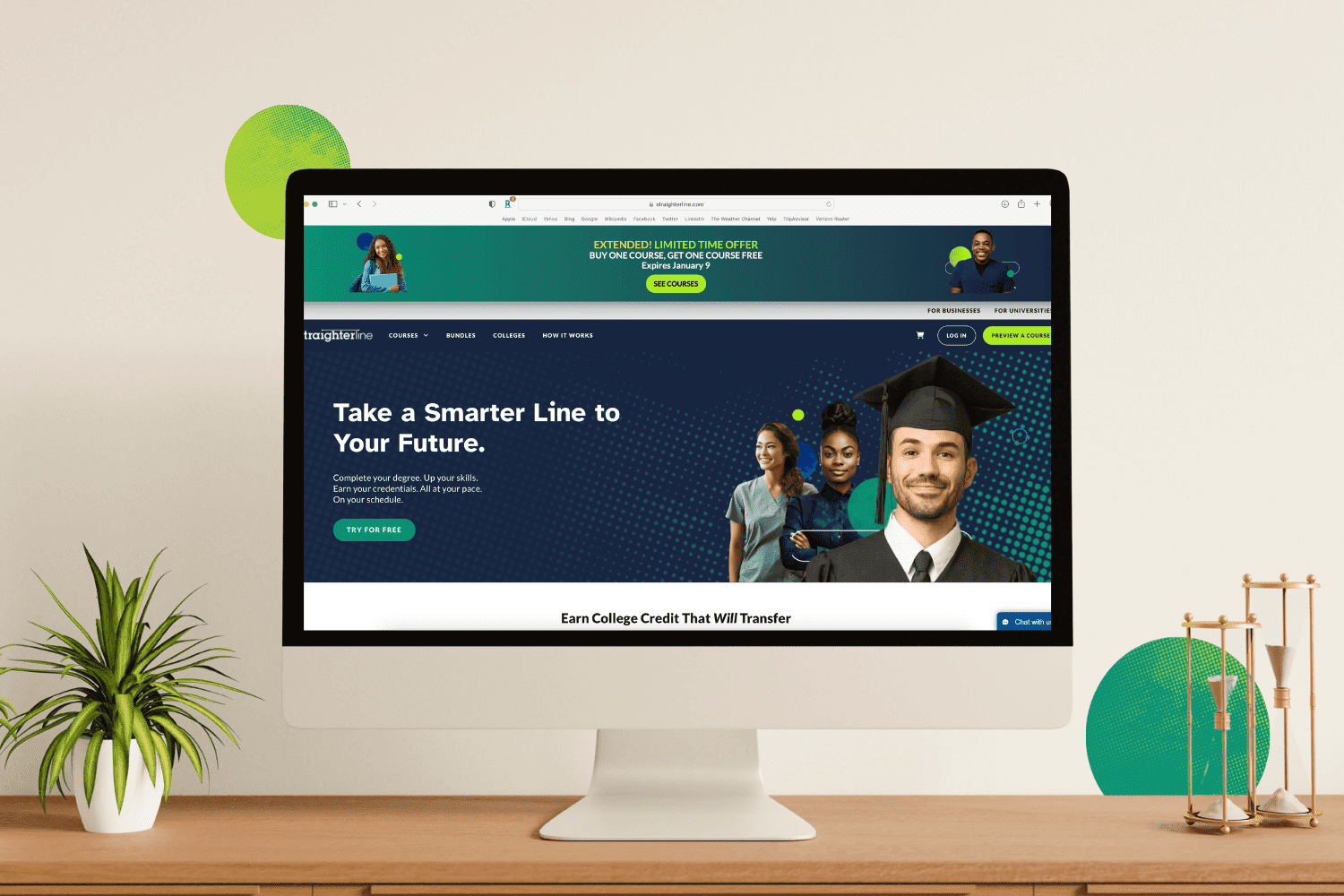
That’s exactly why StraighterLine’s online courses appeal to adult learners: they’re affordable, self-paced, fully online, and designed for people juggling work, family, and school.
Real World Example: StraighterLine’s Student Success course helps learners build effective study strategies before diving into hard coursework — a smart start for anyone returning to school.
How Do You Turn All These Strategies Into Real Academic or Career Gains?
By intentionally applying knowledge and tracking results.
It’s one thing to learn concepts. It’s another to use them.
Apply your coursework to your current job or goals.
Build projects, write summaries, or create portfolios that reflect your skills.
Use your new knowledge in professional conversations or practical tasks.
Track how your skills contribute to promotions, raises, or career transitions.
Adult learners succeed most when learning is tied to real goals and outcomes.
Take Your Next Step in Online Learning
Online learning can feel like a big adjustment, especially when you’re balancing life outside school.
But with the right strategies, including clear goals; structure; active learning; and tools that support your journey, adult learners don’t just survive online education — they thrive.
Ready to put these strategies into practice and make real progress on your goals?
Explore the StraighterLine course catalog to see how affordable, flexible online courses can give you more control over your education and help you get your degree faster.
FAQs
What is the best way for adult learners to succeed in online courses?
The best way for adult learners to succeed online is to combine clear goal-setting, consistent study routines, and active learning strategies. Adults perform best when courses are self-paced, flexible, and directly tied to real-world goals like career advancement or degree completion. Using tools like calendars, progress tracking, and spaced practice helps improve retention and completion rates.
How much time should adult learners spend studying online each week?
Most adult learners should plan to spend 5–10 hours per course per week, depending on the subject and pace. Breaking that time into shorter, focused study sessions throughout the week is more effective than long cram sessions. Self-paced online courses allow learners to adjust their schedules around work and family responsibilities.
Are online courses effective for adults returning to college after years away?
Yes, online courses can be highly effective for adults returning to college when they offer flexibility, support, and clear learning outcomes. Courses designed for adult learners — especially those that include study skills, progress tracking, and transferable credit — help rebuild academic confidence and momentum while fitting into busy lifestyles.
What should adult learners look for in an online learning platform?
Adult learners should look for an online learning platform that offers self-paced courses, affordable pricing, transferable credits, and academic support resources. The best platforms are designed to work around real-life commitments and help learners apply knowledge toward long-term educational or career goals.