





TL;DR: Re-enrolling in college? Understand your status, know your options, and follow a simple plan.
Stopping out of college, whether for a semester or for several years, doesn’t mean you can’t go back to school. Colleges handle re-enrollment every term, and there are established processes designed specifically for students coming back after a break. You’re not navigating unfamiliar territory; you’re stepping into a system that already exists.
This guide to college re-enrollment walks through how to understand your unique situation, identify the right path back, and take clear, manageable steps toward re-enrollment.
Table of Contents
Start With Clarity: Why You Want to Return
Before diving into forms or applications, take a moment to get clear on your motivation. Are you trying to:
- Finish a degree you were close to completing?
- Qualify for a specific career change or advancement?
- Switch fields or programs?
- Finally complete something that’s been on your list for a long time?
You don’t need a perfectly articulated mission statement, but having a basic goal will help you evaluate your options and make decisions more confidently.
At the same time, sketch a simple one-page action plan that includes:
- Who you’ll contact: registrar, admissions, academic advising, financial aid
- What you may need: re-enrollment or readmission forms, transcripts, documentation from a prior leave
- Key dates: application deadlines, term start dates, financial aid and payment timelines
You don’t need to solve everything at once! Your progress begins with one concrete step.
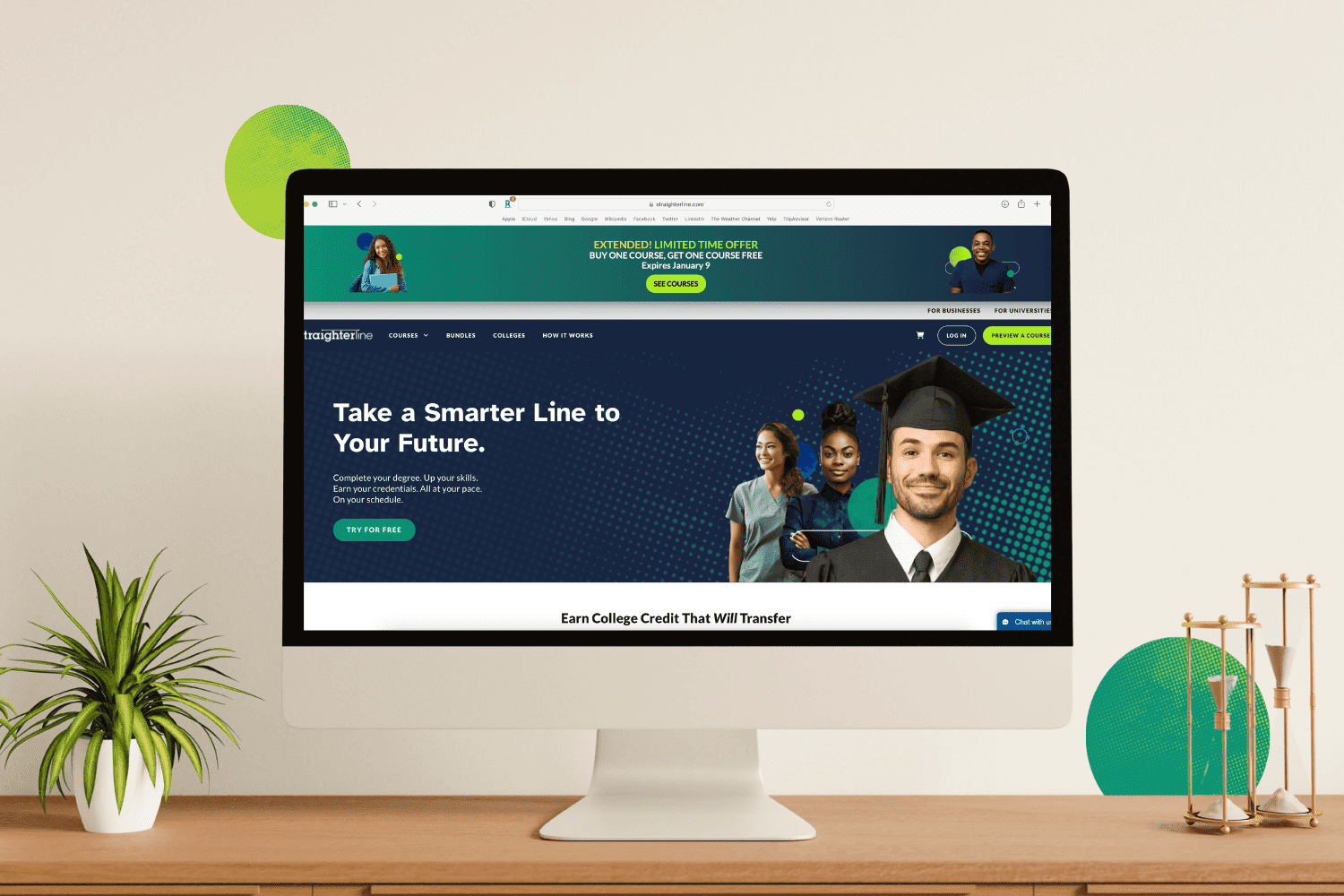
Thinking about changing majors, meeting prerequisites, or preparing for a new program? You don’t always have to start by re-enrolling right away. Some students choose to complete prerequisite courses independently first, especially when they want flexibility or need to demonstrate readiness before returning full-time. StraighterLine is one option students use to complete college-level courses that are easy to transfer. You can see which courses are available here.

Understand How Your School Classifies You
Your re-enrollment path depends on how your previous institution views your enrollment status. Most returning students fall into one of these categories:
- Withdrawn (voluntary): You formally left the institution. Many schools treat this as a standard exit and offer a defined return process.
- Dismissed (involuntary): You were removed for academic, conduct, or administrative reasons. Returning often involves an appeal or formal review.
- Stop-out (unofficial): You stopped attending without completing withdrawal paperwork. Some schools use the term “stop-out” and later treat these students as returning.
- Leave of absence: You were approved for a temporary leave, often for medical, military, or personal reasons. Returning may be more structured but still time-bound.
If you’re unsure which category applies, that’s common. Especially if it’s been a few years! The next steps help you get oriented.
Get Oriented Before You Apply
1. Find your school’s re-enrollment or returning student page
Most institutions have a page on their website called “Returning Students,” “Re-Enrollment,” or “Readmission.” It typically outlines:
- How the school defines returning students
- Eligibility requirements
- Required forms or applications
- Term-specific deadlines
- Notes about academic or financial holds
Terminology varies by institution, but the policies on this page are what matter.
2. Review your academic standing
Take note of where you left off:
- Academic standing: good standing, probation, or dismissal
- Credits earned: completed credits, incompletes, or pending grades
- Program requirements: degree requirements may have changed while you were away
Some institutions state that previously earned credits do not expire, but whether those credits still apply toward your current program can depend on time away and curriculum updates.
If you’re concerned about academic standing or want to ease back into coursework, some students start by taking one or two courses outside their target school. An affordable option like StraighterLine allows you to complete or repeat college-level classes at your own pace, rebuild study habits, and show recent academic success before jumping back into a full course load.
3. Check the financial basics
Financial issues can delay or block re-enrollment, so it’s important to identify them early:
- Outstanding balances
- Account holds (financial, administrative, library, or conduct-related)
- Financial aid eligibility, often tied to Satisfactory Academic Progress (SAP)
- Whether a new FAFSA or aid appeal is required
Knowing what exists doesn’t mean you have to resolve everything immediately — it simply gives you a clearer starting point.
4. Decide what you want this time around
- Return to the same school and program
- The same school but a different major
- A new institution that better fits your current needs
Your answer helps determine whether you’re pursuing re-enrollment, a program change, or a transfer.
Common Re-Enrollment Paths
Once you understand your status, you can evaluate the available paths back to college.
1. Automatic or simple return
Some students who took a short break and left in good standing can resume enrollment with minimal steps. You may not need a full application, but you’ll still need to register, meet deadlines, and resolve any holds.
2. Formal re-enrollment or readmission
- A re-enrollment or readmission application
- Review of academic and financial standing
- Confirmation of personal information
- Meeting specific conditions set by the institution
This process is common for students who were away longer or left under specific circumstances.
3. Transfer to a new institution
If your previous college no longer fits because of location, format, cost, or program, you may apply elsewhere as a transfer student.
4. Special situations
- Non-degree or visiting students
- Graduate program re-entry
- Second-degree seekers
Across all options, pay close attention to time-away limits, GPA requirements, conduct standards, and deadlines.
Ready to explore your re-enrollment options?
Returning to college may feel overwhelming, but in reality, it’s a few clear steps away.
Get in touch with a StraighterLine Enrollment Specialist to find out how we can help you finish your degree faster, and save thousands on college tuition.
FAQs
Can I re-enroll in college after taking time off?
Yes. Colleges handle re-enrollment every term. Whether you stepped away for one semester or several years, most institutions have established processes for returning students. Taking time off does not disqualify you from going back.
What’s the difference between re-enrollment and readmission?
Re-enrollment usually applies to students who left in good academic standing and can return with minimal steps. Readmission often involves a more formal review and may apply if you were away longer, withdrew officially, or were academically dismissed. Your school’s policies determine which applies to you.
How do I know how my school classifies me?
Your status may be listed as withdrawn, dismissed, stop-out, or on a leave of absence. If you’re unsure, contact the registrar or admissions office, or review your school’s “Returning Students” or “Re-Enrollment” webpage. Clarifying this early helps you avoid unnecessary delays.
Will my previously earned credits still count?
In most cases, credits don’t expire — but degree requirements can change. Even if your credits remain on your transcript, how they apply toward your current program may depend on how long you were away and whether the curriculum has been updated.