How Online Education Can Fast-Track Career Advancement

How Online Education Can Fast-Track Career Advancement

StraighterLine
5 minute read

Career changes don’t usually happen in dramatic ways. They’re quieter, more practical, and far less disruptive than the “quit everything and start over” narrative suggests. For many professionals, career advancement looks like building on what already exists — layering new, relevant skills onto real experience and redirecting momentum rather than resetting it. 

Online education has made that path faster, and far more affordable and realistic — especially for people balancing work, family, and financial responsibilities.

The result is a different kind of career progression: strategic, flexible, and designed to move forward without blowing everything up.

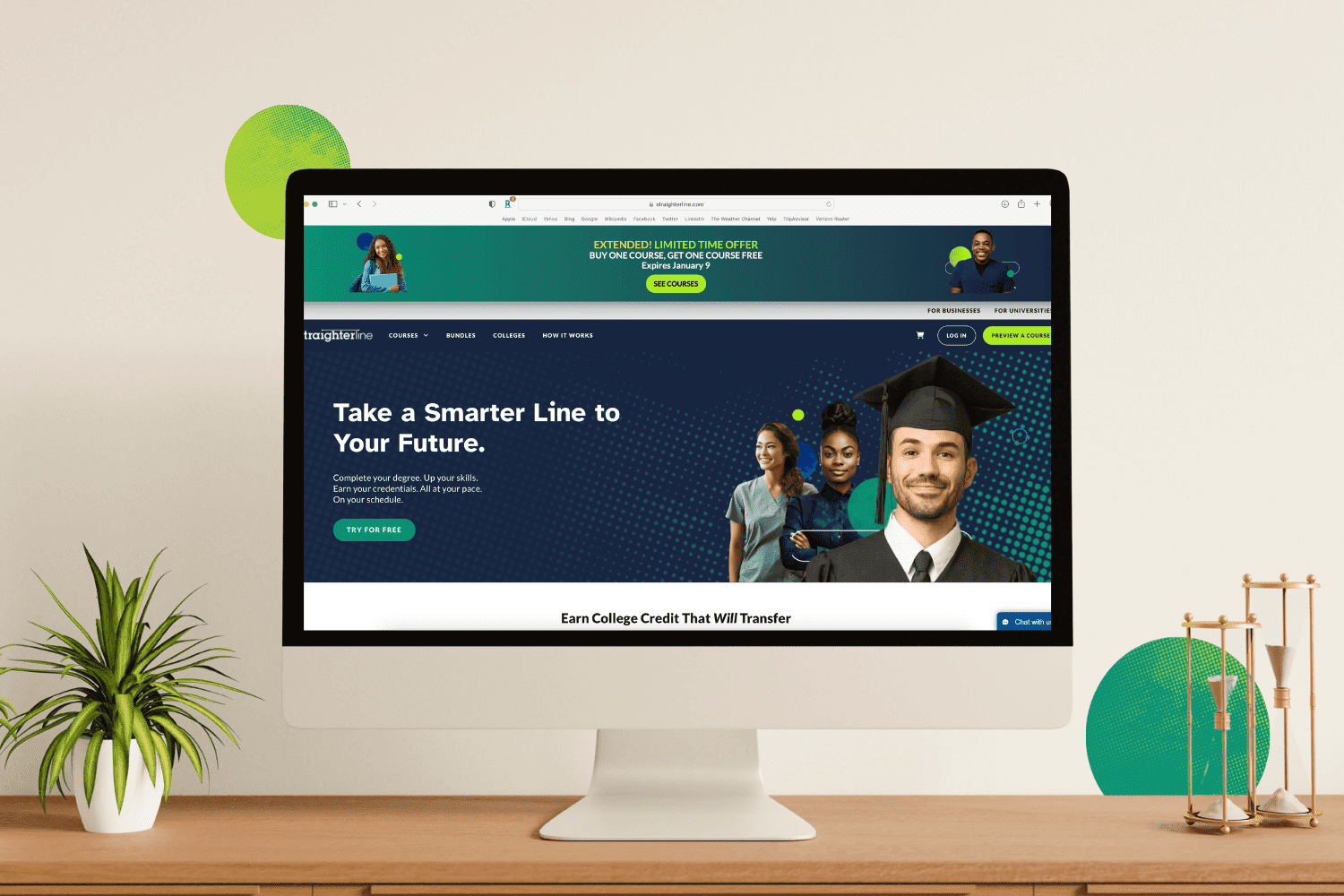
Take a StraighterLine course and earn credit at your school!

Career Advancement Doesn’t Require Starting Over From Scratch

Career change is often framed as a reset. In reality, it’s a redirection.

Experience gained from managing clients, coordinating schedules, writing reports, or leading teams doesn’t disappear just because the job title changes. Those skills travel — and online education helps fill in the missing pieces faster.

That’s why many professionals use online, transferable courses (such as those offered through platforms like StraighterLine) to build specific skills without stepping away from work. The goal isn’t reinvention; it’s alignment.

How Online Learning Compresses the Timeline

Traditional path:

  • Reduce hours or quit work

  • Apply, wait, enroll

  • Commit to 2–4 years of full-time coursework

  • Hope the investment pays off

Online path:

  • Keep earning an income

  • Enroll quickly

  • Stack targeted courses or certificates in months, not years

  • Apply new skills immediately

This model supports reskilling and upskilling in a way that’s directly tied to career outcomes. It’s one reason 90% of online program graduates say their degree has or will deliver a positive return on investment.

The Fears Many Professionals Hesitate to Say Out Loud

  • “I’m too old.” Employers prioritize current, relevant skills. Online learning exists to keep skills current — not to replace experience.

  • “I’ve got gaps in my resume.” Structured online courses and certificates provide a clean, credible way to show forward motion.

  • “Online learning doesn’t really count.” That perception is fading. About 76% of students view online education as equal or better than on-campus learning.

Programs that offer transferable credit — such as StraighterLine’s online college courses — further close this gap by aligning learning with accredited degree pathways.

Tie Learning to Advancement, Not Vague “Upskilling”

Career acceleration works best when learning points toward a role, not just general improvement.

Instead of:

  • “Take a course and see what happens”

Think:

  • Complete coursework that maps to a specific job title

  • Earn credentials commonly listed in job postings

  • Build skills tied to clear salary bands or advancement paths

This is where flexible, self-paced options matter. Many learners use StraighterLine to complete foundational or prerequisite courses that directly support degree completion or career pivots — without committing to a full program upfront.

Take a StraighterLine course and earn credit at your school!

Why Online Education Works Especially Well for Career Changers

Career changers rarely have the option to pause life. Bills, caregiving responsibilities, and existing jobs continue.

Online education works because it’s designed around that reality.

Flexibility That Fits Real Schedules

Online learning allows coursework to happen early mornings, late evenings, lunch breaks, or weekends. About 34% of students enroll online specifically for scheduling flexibility.

Self-paced platforms — including StraighterLine’s self-paced courses — let learners move quickly through familiar material and slow down where skills are new.

Cost Without Financial Free Fall

Online education is often more affordable and practical due to:

  • Lower per-course costs

  • No commuting or relocation expenses

  • The ability to work on courses at your own pace

That affordability is a key reason many professionals use course-based providers like StraighterLine as a first step before committing to a longer or more expensive program.

Use Online Learning as a Test Drive

Before committing to a new field, online courses offer a low-risk way to:

  • Explore day-to-day work

  • Learn industry tools and language

  • Decide what’s worth pursuing further

Taking a single, transferable course through a provider like StraighterLine can clarify direction without locking learners into a long-term commitment.


How to Turn Online Learning Into Visible Career Advancement

Courses matter most when they’re visible, aligned, and clearly connected to outcomes.

Start with the job title

Work backward from job postings:

  • Identify required skills and tools

  • Note recurring certifications

  • Choose courses that bridge those gaps

Online college credit providers, including StraighterLine, design courses to align with common general education and prerequisite requirements — making them easier to translate into degree progress or resume language.

Make learning visible on resumes and LinkedIn

Effective positioning includes:

  • A dedicated “Certifications & Training” section

  • Outcome-focused bullet points

  • Updated headlines that reflect direction, not just history

Transferable credit courses help here because they’re easier for employers and institutions to recognize.


Avoid Common Mistakes With Online Education

Mistake: Collecting random courses
A clear direction beats scattered learning.

Mistake: Ignoring program credibility
Courses that articulate outcomes, transfer pathways, or employer relevance carry more weight. StraighterLine, for example, publishes partner institutions and transfer alignment — a key trust signal.

Mistake: Assuming online means easy
Self-paced learning requires structure, accountability, and realistic planning.


How to Build  Toward Career Advancement

  1. Clarify a target role
    One direction is enough to begin.

  2. Choose one aligned program or course
    Many learners start with a single, affordable course — often through platforms like StraighterLine — to build momentum.

  3. Block time and add accountability
    Consistency matters more than intensity.

Online education works best when it’s flexible, affordable, and clearly connected to real outcomes. That’s where platforms like StraighterLine stand out — offering self-paced, online college courses designed to fit around full-time work while still earning transferable academic credit.


StraighterLine is Built to for Your Career Advancement Goals 

For career changers and working adults, StraighterLine provides a practical way to test new directions, fill skill gaps, and make measurable progress toward a degree without committing to a full program upfront. Explore our courses here!

It’s not about starting over — it’s about moving forward with learning that actually counts.

Take a StraighterLine course and earn credit at your school!

FAQs

Can online education really help me change careers?

Yes. Online courses and certificates allow professionals to build new skills, demonstrate competency, and gain credentials that align with targeted roles, all without quitting a current job. Platforms like StraighterLine make this process more structured and transferable.

How long does it take to see results from online learning?

Depending on the program and pace, learners can complete targeted courses or stackable certificates in as little as 3–12 months, applying skills immediately in the workplace to accelerate career advancement.

Do employers value online courses and certificates?

Employers increasingly prioritize skills and demonstrable competency over where learning occurred. Courses with recognized credit or industry-aligned outcomes are particularly credible.

How can online learning fit into a busy schedule?

Flexibility is a key advantage: learners can study during lunch breaks, evenings, or weekends. Self-paced courses allow progress to match individual schedules without pausing work or life obligations.

How should I choose online courses to advance my career?

Select programs that align directly with your target role, show measurable skill outcomes, and offer recognized credentials. Starting with one focused course allows for a manageable, strategic approach to career development.

« Back to Blog

Added To Cart

Your cart includes: