




Many students turn to online education to earn college credit — being able to set your own schedule and manage costs are big advantages! That said, online courses can also come with their own challenges, including technical issues, difficulty staying engaged, academic integrity risks, limited access to a support network. How successful you are depends less on motivation alone and more on how well you're able to prepare, stay focused, and build routines you can stick to.
Below, we’re addressing some of the common pitfalls of online education and giving you tips on how to overcome them. Let’s get started!
TL;DR: Common Pitfalls in Online Education
There are a few common challenges students report that tend to cause frustration with online education. These are often small, predictable issues that interfere with progress if they aren’t addressed early. By understanding them upfront, you can manage most setbacks before they become an issue at all:
- Uncertainty about credit transfer and outcomes. Many students worry whether the time and effort they invest into online education will actually count toward their degree, certification, or long-term goal. Unclear transfer policies, unfamiliar providers, or lack of upfront guidance can lead to hesitation or second-guessing mid-course. Verifying credit transferability, accreditation, and partner institutions before enrolling helps ensure your coursework aligns with your academic plan and avoids wasted time or credits.
- Technical challenges. Unstable internet, outdated devices, or confusing platforms are among the most common obstacles. Often, it’s not the coursework itself but connectivity problems or system errors that hold students back. Checking your tech setup early and knowing your backup options can prevent these issues from derailing your progress.
- Engagement and focus issues. It’s easy to log in, start a video, and get distracted by emails, messages, or other tabs. Screen fatigue and passive viewing can make even short courses feel overwhelming. Creating dedicated study blocks, a consistent routine, and an active note-taking habit keeps you focused and helps you retain what you learn.
- Academic integrity risks. Online learning requires clear understanding of what constitutes cheating, plagiarism, or improper use of AI tools. Without this awareness, students can accidentally cross boundaries. Reviewing your school’s policies, practicing proper citation, and doing independent work ensures you maintain integrity while still leveraging helpful study tools.
- Wellbeing and isolation. Learning alone can feel isolating — especially without peers or in-person support. Prolonged isolation can make it easier to procrastinate or feel stressed or burned out. Staying connected through forums, virtual office hours, and study groups keeps you accountable, motivated, and supported throughout the term.
How to Avoid the Pitfalls of Online Learning
Go into your online course prepared. That includes setting up your environment, tools, and routines ahead of time creates a smooth learning experience and avoids early frustration. That may include:
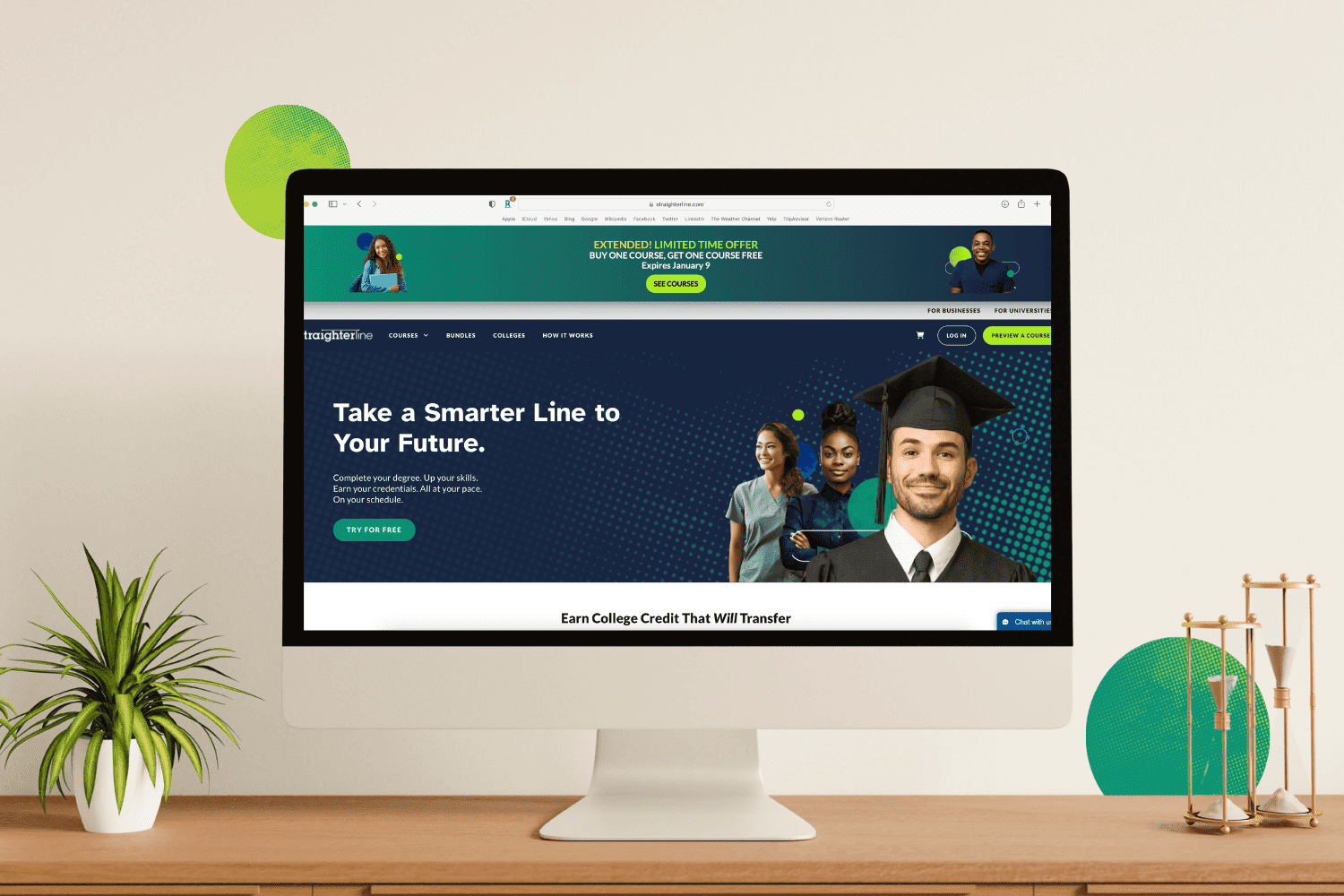
- Confirm how your coursework applies to your academic goals. Before getting started, make sure you understand how your online course fits into your larger plan — whether that’s transferring credit toward a degree, meeting a prerequisite, or fulfilling a certification requirement. Look for programs that clearly outline credit transfer options and partner institutions. For example, StraighterLine provides transparent transfer pathways and partner college listings so students can see upfront how their completed courses may count toward their degree. Having clarity early builds confidence and ensures your effort moves you closer to your goal, not just course completion.
- Checking device and internet readiness: Make sure your computer or tablet meets your course’s minimum tech requirements, and confirm that your Wi‑Fi is stable. Check your browser compatibility with your school’s Learning Management System (LMS) and plan for a backup location if needed.
- Log into the Learning Management System (LMS) and explore all sections. Before your courses officially start, spend time navigating the LMS. Familiarize yourself with where assignments, readings, discussion forums, grades, and instructor messages are located. Doing this early helps you avoid last-minute scrambling when deadlines or instructions appear. For example, StraighterLine — the affordable online college course platform — offers students a free preview so you can learn to navigate the platform and see if the course is right for you.
- Enter all major deadlines into your calendar. Review the syllabus carefully and identify every important due date, exam, and project milestone. Add them to a digital or physical calendar so you can visualize your workload over the term. Seeing deadlines at a glance allows you to plan your time realistically and prevents tasks from sneaking up on you. While platforms like StraighterLine offer self-paced courses, it may also be useful to schedule your own personal deadlines to make sure you stay on track.
- Block weekly study time based on your real-life schedule. Look at your other commitments, and assign dedicated study blocks that fit into your routine. Treat these blocks like non-negotiable appointments. Consistency reduces procrastination and helps you make steady progress without feeling overwhelmed.
- Decide on a consistent study location and routine. Choose a spot where you can focus with minimal distractions, whether it’s a corner of your apartment, a library, or a coworking space. Pair this location with a simple routine: gather materials, close unrelated tabs, and have a start ritual that signals it’s time to work. Over time, your brain will associate the space and routine with focused learning, making it easier to stay productive.

Build Confidence That Your Work Will Count
One of the biggest barriers to success in online learning isn’t difficulty — it’s doubt. When students aren’t sure whether their coursework will transfer or apply toward a degree or credential, motivation can drop and progress can stall.
Before diving in, take time to confirm how your course fits into your broader academic plan. Look for providers that clearly outline accreditation, transfer policies, and partner institutions. Platforms like StraighterLine publish detailed transfer information and partner college listings so students can see upfront how completed courses may count toward their degree. That transparency helps you move forward with confidence, knowing the work you’re putting in supports your long-term goals.
Clarity early on reduces second-guessing later — and makes it easier to stay committed when coursework gets challenging.
Stay Focused and Engaged with Online Courses
Attention is the real skill in online learning! Without the structure of a classroom, it’s easy for motivation to slip and for study time to become less productive.
Daily routines: Set specific class and study times, and treat them like scheduled in-person sessions. Establish a mini “start routine”. This may include closing personal tabs, opening your LMS, and preparing notes.
Dedicated study space: Set a space that’s intended for study. Even a consistent chair at the kitchen table works if distractions are minimized and others know you’re working.
Active learning: Take notes, ask questions in forums, and do your homework. Passive video-watching alone isn’t often enough to get what you need from the material!
Breaks and screen management: Follow a pattern like 25–45 minutes of focused work followed by a 5–10 minute break. Incorporate offline reading when possible to reduce screen fatigue.
Get Better at Managing Motivation and Time
Online learning often assumes you can manage yourself. Skills like time management and self-discipline are more crucial if you’re going to be successful with online learning! Without structure, it’s easy to drift or fall behind.
Time blocking: Review your syllabus weekly, break assignments into small tasks, and schedule them in your calendar.
Short-term goals: Focus on completing modules or assignments rather than aiming for perfection in everything.
Peer accountability: Use study groups, chat threads, or check-ins with classmates to maintain commitment.
Protecting Academic Integrity Online
Academic honesty is critical online, especially with AI tools and remote testing. Understanding what counts as cheating or plagiarism protects both your progress and your integrity as a student. Be sure to always:
Follow school policies on collaboration and AI usage.
Practice proper citation and attribution.
Use preparation and study habits to avoid shortcuts.
Ask instructors early about expectations for collaboration, AI, or open-book assignments.
Building Connection and Support for Your Online Courses
Even online, relationships matter. If you have the opportunity, engaging with peers and instructors improves learning outcomes and motivation. This could be a formal group through your school or learning program, local study groups, or online communities.
Forums and messaging: Treat them as real conversations to share questions, resources, and insights.
Office hours: Use them for clarification, feedback, or simple check-ins.
Support services: Academic advising, tutoring, and counseling are available — use them proactively.
All StraighterLine courses include on-demand one-on-one online tutoring, available 24/7 at no additional cost.
See what else is included in your Straighterline membership.
Measuring Progress and Adjusting
Finally, tracking your progress and adjusting as you go will help you spot knowledge gaps and adjust before they become major issues. These can be easier to miss when you study online!
Monitor grades and feedback: Notice trends or recurring challenges.
Reflect regularly: Identify what strategies improve comprehension and retention.
Seek help early: Contact instructors, tutors, or tech support as soon as challenges arise.
From Enrollment to Success
Online education can work in your favor when you prepare for predictable challenges and take a structured approach. Small, consistent strategies like preparing your tech, sticking to routines, staying engaged, and following academic integrity guidelines will add up over time. Implement one or two strategies this week, review how it works for you, and adjust. With intentional planning, online learning may be just the thing you need to get your degree.
Thinking of online education as a way to get your college degree? Take the next step with StraighterLine.
Explore our affordable, self-paced online college courses to learn more.

FAQs
Will online courses count toward my college degree?
Online courses can count toward your degree, but it depends on the provider, the course, and your school’s transfer policies. Before enrolling, it’s important to confirm accreditation, credit equivalency, and whether your institution accepts transfer credits. Platforms like StraighterLine publish partner college listings and transfer details upfront to help students understand how their coursework may apply toward a degree.
What are the most common challenges students face in online learning?
The most common challenges of online learning include technical issues, difficulty staying focused, academic integrity concerns, feelings of isolation, and uncertainty about whether credits will transfer. These challenges are predictable and manageable with preparation, consistent routines, and access to academic support.
How can I stay motivated and focused in an online course?
Staying motivated in online courses starts with structure. Setting a regular study schedule, using time-blocking techniques, breaking assignments into smaller tasks, and choosing a consistent study space can help maintain focus. Engaging actively with course material — through note-taking, discussions, and practice — also improves motivation and retention.
Is online learning harder than in-person classes?
Online learning isn’t necessarily harder, but it does require stronger self-management skills. Without scheduled class meetings, students need to take more responsibility for time management, engagement, and accountability. With clear expectations, supportive resources, and flexible pacing, many students find online learning more manageable than traditional classroom settings
How can I make sure I’m choosing a reputable online course provider?
To choose a reputable online course provider, look for transparent information about accreditation, credit transfer options, academic support, and student outcomes. Reputable platforms clearly explain how courses work, what support is included, and how credits may transfer. StraighterLine, for example, offers self-paced courses with 24/7 tutoring and clear transfer pathways so students can enroll with confidence.