





Homeschooling is one of fastest-growing forms of education in the U.S. It’s especially beneficial for families who want flexibility, personalization, and a more intentional learning experience.
Still, if you’re a parent considering homeschooling — or a student who’s been homeschooled and is thinking ahead to college or transferring credits — it’s normal to have questions. Will colleges take this seriously? Will I be prepared? Am I missing something important?
The short answer: homeschooling isn’t “less than” traditional school. It’s simply different — and often better aligned with how students actually learn and succeed.
Let’s break down what homeschooling really offers, how it prepares students for college, and why homeschoolers are increasingly well-positioned for transfer and degree completion.
TL;DR: Is Homeschooling a Good Choice?
Yes — homeschooling can be a highly effective, college-ready form of education when it’s intentional and well-documented.
Homeschooling offers flexible pacing, customized coursework, strong real-world skill development, and growing acceptance among colleges and universities. Many homeschool students enter higher education with clear goals, transferable credits, and the independence needed to succeed in college-level work.
Is Homeschooling Considered “Less Than” Traditional School?
No — homeschooling is widely recognized as a legitimate form of alternative education, and colleges increasingly view it as a strength, not a weakness.
One of the most persistent myths about homeschooling is that it’s somehow a downgrade from traditional school. In reality, higher education has adapted alongside the rise of homeschooling — and admissions teams are well-versed in evaluating nontraditional academic paths.
Colleges don’t require homeschool students to “prove” themselves more than anyone else. They look for evidence of learning, growth, and readiness — just as they do with any applicant. Many institutions even report that homeschool students perform as well as or better than their traditionally schooled peers once enrolled.
If you’re a transfer student wondering whether colleges will “get” your background, here’s some reassurance: they already do. Homeschool transcripts, portfolios, and alternative coursework are now standard parts of the admissions landscape.
Homeschooling isn’t a loophole. It’s a recognized educational choice — and one that’s becoming more common every year.
How Does Homeschooling Give Students More Control Over Learning?
Homeschooling allows students to customize pace, focus, and coursework to match their strengths, challenges, and long-term goals.
In a traditional classroom, everyone moves at the same speed — whether it makes sense or not. Homeschooling flips that model.
Students can:
Move faster through subjects they grasp quickly
Slow down when concepts need more time
Skip repetitive busywork and focus on mastery
This flexibility is especially valuable for students who already know where they’re headed. Homeschoolers often design coursework that aligns with future majors, transfer requirements, or career interests.
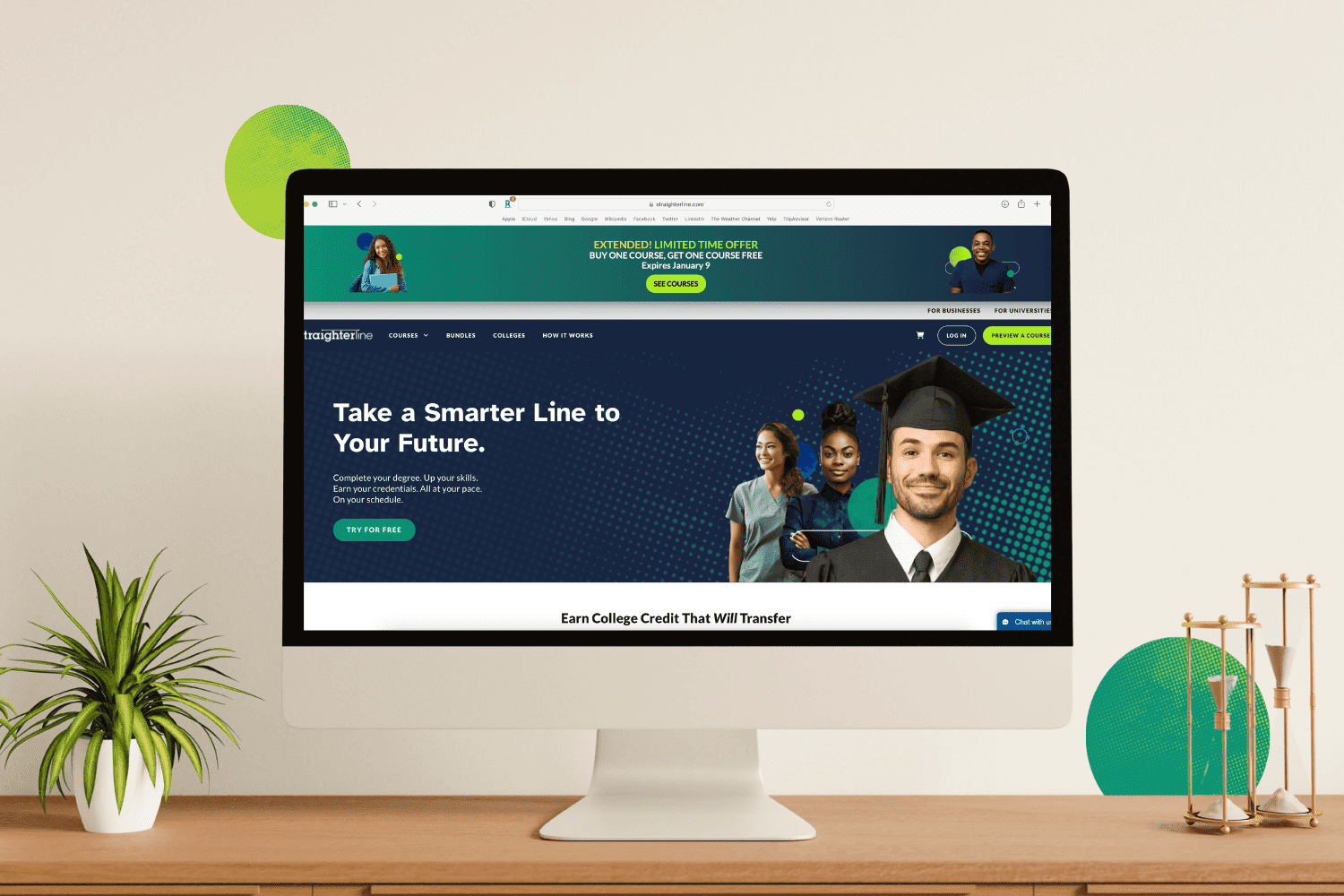
It also opens the door to college-level learning earlier, including dual-enrollment classes, AP coursework, and online college courses. Many homeschool families use providers like StraighterLine to help students complete affordable, self-paced college courses that are designed to transfer — allowing them to earn real college credit before enrolling full time.

And because homeschooling isn’t locked into a rigid schedule, it works well alongside real life: jobs, health needs, athletics, creative projects, or family responsibilities. Learning adapts to the student — not the other way around.
What Real-World Skills Do Homeschool Students Gain?
Homeschooling builds time management, self-direction, and independent learning skills that directly translate to college success.
One of the most overlooked benefits of homeschooling is how closely it mirrors the structure of college-level work.
Homeschool students regularly:
Plan their own study schedules
Work through syllabi or reading lists independently
Complete long-term projects without constant reminders
That’s not a disadvantage — it’s preparation.
When homeschool students reach college, they’re often already comfortable managing deadlines, communicating with instructors, and taking responsibility for their learning. Those habits matter just as much as subject knowledge.
Add in communication skills developed through tutors, co-ops, internships, volunteer work, or part-time jobs, and homeschoolers frequently arrive on campus with a level of maturity that transfer offices appreciate.
From an admissions or transfer perspective, these skills signal readiness. When students document their homeschool experience clearly — through portfolios, course descriptions, or project samples — it shows they’ve already been doing college-style work.
Just without the lecture hall.
Are Homeschool Students Socialized Enough?
Yes — most homeschool students participate in co-ops, sports, jobs, and community activities that provide meaningful social and leadership experience.
The idea that homeschool students study alone in isolation hasn’t matched reality for a long time.
Today, homeschooling is often highly collaborative. Many students participate in homeschool co-ops, which function like shared campuses — offering group classes, labs, clubs, field trips, and peer interaction.
Beyond co-ops, homeschool students are often deeply involved in:
Sports teams and fitness programs
Music, theater, and arts organizations
Part-time jobs and internships
Volunteering and community leadership
These experiences don’t just build social skills — they create strong material for college applications and transfer essays. Admissions teams value leadership, teamwork, and real-world engagement, and homeschool students often have extensive examples to draw from.
And yes — you’re allowed to have friends. Promise.
Does Homeschooling Make the Transition to College Easier or Harder?
For many students, homeschooling actually makes the transition to college easier — especially when combined with transferable coursework.
Homeschool students often enter higher education with a clear sense of direction. They’re used to making intentional choices about their education, which can translate into stronger academic focus and better long-term planning.
Another advantage? Documentation.
Homeschoolers are accustomed to keeping records — reading lists, syllabi, project summaries, and assessments. That habit makes it easier to explain coursework during admissions or transfer evaluations.
Many homeschool students also complete general education requirements early through dual enrollment or online providers. Programs like StraighterLine are frequently used as a bridge, allowing students to earn ACE-recommended college credit at a lower cost before transferring those credits into a degree program.
The result: less time, less debt, and a smoother transition into college-level expectations.
The key is framing homeschooling correctly — not as an obstacle, but as an intentional educational path that prepared you well.
How Should Homeschool Students Talk About Their Education to Colleges?
Homeschool students should present their education as a purposeful, well-structured learning experience backed by clear documentation.
Colleges aren’t looking for perfection — they’re looking for clarity.
Strong homeschool applications and transfer materials typically include:
Clear course descriptions
Evidence of academic rigor
Examples of independent or project-based learning
Transferable college credit when available
When students explain why homeschooling worked for them — flexibility, focus, early college coursework — it reframes their experience as a strategic choice.
That perspective matters. It shifts the narrative from “different” to “deliberate.”
So, Is Homeschooling Worth It?
For many students, yes — homeschooling offers flexibility, depth, and preparation that traditional schooling can’t always provide.
Homeschooling allows students to learn at the right pace, build real-world skills, and take ownership of their education. With growing acceptance from colleges and more pathways to transferable credit than ever, homeschool students are well-positioned for success.
When paired with intentional planning and affordable college-level coursework, homeschooling doesn’t just prepare students for college — it can give them a meaningful head start.
Ready to Turn Homeschool Learning Into College Credit?
Homeschooling gives students flexibility and independence. StraighterLine helps turn that foundation into measurable progress.
With affordable, self-paced online courses designed to transfer to hundreds of colleges and universities, StraighterLine makes it easier for homeschool students to earn college credit, build transcripts, and move confidently toward a degree — without unnecessary cost or complexity.
If you’re ready to connect your homeschool experience to your college goals, StraighterLine courses can help you take the next smart step — on your timeline, and on your terms.
FAQs
Is homeschooling recognized by colleges and universities?
Yes. Most accredited colleges and universities recognize homeschooling as a legitimate form of education and regularly admit homeschooled students. Admissions teams evaluate homeschool applicants using transcripts, portfolios, test scores, and documented coursework — just as they do for other nontraditional paths.
Can homeschool students earn transferable college credit?
Yes. Homeschool students can earn transferable college credit through dual enrollment, AP exams, and online college courses. Many families use providers like StraighterLine to complete affordable, self-paced courses that are designed to transfer to hundreds of colleges and universities.
Are homeschool students prepared for college-level work?
Often, yes. Homeschool students typically develop strong time management, self-directed learning, and study skills that align closely with college expectations. Many arrive on campus already comfortable managing syllabi, deadlines, and independent coursework.
How do homeschool students show academic rigor to colleges?
Homeschool students demonstrate rigor through clear documentation, including course descriptions, reading lists, graded work, projects, portfolios, and college-level credits. Presenting homeschooling as an intentional and well-structured educational choice helps colleges understand its value.