





Earning a college degree as a working adult can feel overwhelming — especially when you’re juggling a full-time job, family responsibilities, and a busy schedule. The good news is that online education has evolved, and today’s self-paced online degrees are designed specifically for adults who need flexibility without sacrificing quality or career outcomes. Whether you’re looking to advance in your current role, switch careers, or finally finish the degree you started years ago, choosing the right online program can save you time, money, and unnecessary stress.
TL;DR: What Working Adults Need to Know About Self-Paced Online Degrees
If you’re a working adult, earning an online degree is more possible and practical than ever. The most flexible online degrees today are self-paced, allowing you to study on your schedule without quitting your job. Top options include degrees in Business, IT/Computer Science, Healthcare, Education, and Psychology — all fields with growing job demand and solid salaries. This guide breaks down what to choose, how to choose it, how long it takes, and how to save both time and money along the way.
What Are Self-Paced Online Degrees, and Why Do They Matter?
Self-paced online degrees let you learn, complete assignments, and take assessments on your own timeline — not dictated by semesters or set class times. You decide when and how fast you progress. This model is ideal for busy adults balancing careers, families, and life commitments.
Unlike traditional online programs that still operate on rigid schedules, self-paced programs are asynchronous. You log in when it works for you — nights, weekends, or in short bursts between work tasks. Self-paced learning can reduce time to completion and adapt to your life rhythm.
What Should Working Adults Look for in an Online Degree?
Look for flexibility, transferability, clear career pathways, and affordability.
Specific things to check:
Flexible pacing: No strict deadlines each week
Credit transfer options: Ability to use prior credits or transfer to your degree later
Career alignment: Majors linked to jobs with strong growth
Support resources: Tutoring, academic advising, degree mapping
This makes your investment smarter and more likely to lead to job outcomes.
Which Online Degrees Are Best for Working Adults?
Below are degrees that combine flexibility with strong job prospects and real-world value.
*All salary figures shown are approximate U.S. averages or median estimates based on recent labor market data and may vary by location, experience level, and employer.
Business Administration
A business degree is one of the most flexible, transferable, and career-relevant online degrees you can pursue.
Why It Works:
Variety of majors and electives
Applicable across industries
Strong demand for management, operations, analytics roles
Potential Career Paths & Salaries:
Business Analyst: Median ~ $78,000
Operations Manager: ~ $100,000
Project Manager: ~ $88,000
Marketing Manager: ~ $85,000
Financial Analyst: ~ $95,000
How to Plan:
Pick general business foundations early (accounting, marketing) and map electives to your career goal.
Computer Science & IT
Computer Science/IT degrees remain among the most resilient and high-growth fields — especially for remote and flexible online learning.
Why It Works:
Tech jobs are growing faster than average
Many roles prioritize skills over credentials
Online labs/simulations make self-paced learning practical
Potential Career Paths & Salaries:
Software Developer: ~ $110,000
IT Support Specialist: ~ $60,000
Data Analyst: ~ $85,000
Cybersecurity Analyst: ~ $105,000
Systems Administrator: ~ $90,000
Note: Pair this with certification prep (e.g., AWS, CompTIA) for added edge.
Healthcare Administration & Health Sciences
For those interested in healthcare leadership without clinical requirements, a health admin or health science degree provides growth with online flexibility.
Why It Works:
Healthcare industry continues to expand
Leadership and management roles don’t always require in-person labs
Online degrees cover core healthcare systems + business
Potential Career Paths & Salaries:
Medical Office Manager: ~ $77,000 – $85,000
Health Services Administrator: ~ $134,000
Healthcare Operations Manager: ~ $90,000
Clinical Data Manager: ~ $135,000
Patient Experience Manager: ~ $144,000
Education Degrees
Education degrees are excellent for flexible online delivery — especially if you plan to teach or train.
Flexibility Notes:
Many programs accommodate part-time adult learners
Student-teaching requirements vary by state/degree
Potential Career Paths & Salaries:
Teacher: ~ $58,000
Instructional Coordinator: ~ $66,000
Curriculum Developer: ~ $72,000
Corporate Trainer / Training Specialist: ~ $65,000
Academic Advisor: ~ $55,000
Psychology & Human Services
Psychology and human services degrees are popular for adults aiming for counseling or support roles, and coursework adapts well to self-paced study.
Why It Works:
Strong relevance to social work and community support fields
Core coursework lends itself to reading, essays, and case studies — ideal for asynchronous learning
Career Path:
Case Worker: ~ $45,000–$55,000
Rehabilitation Specialist: ~ $50,000–$65,000
Mental Health Technician: ~ $48,000–$60,000
Community Outreach Coordinator: ~ $55,000–$68,000
Behavioral Health Case Manager: ~ $60,000–$75,000
How Long Do Self-Paced Degrees Take?
Completion time varies widely — from 6 weeks for introductory college courses to 2–4 years for full bachelor’s degrees.
What Determines Time to Completion:
Your study pace
How many credits you transfer in
Whether you’re enrolled part-time or full-time
Self-paced programs don’t force semester boundaries, so motivated learners often finish faster than traditional timelines.
How Much Do These Degrees Cost?
Self-paced programs generally cost significantly less than traditional colleges — often 50–70% less.
Ways to Save:
Take foundational courses through lower-cost providers
Use competency-based credit for what you already know
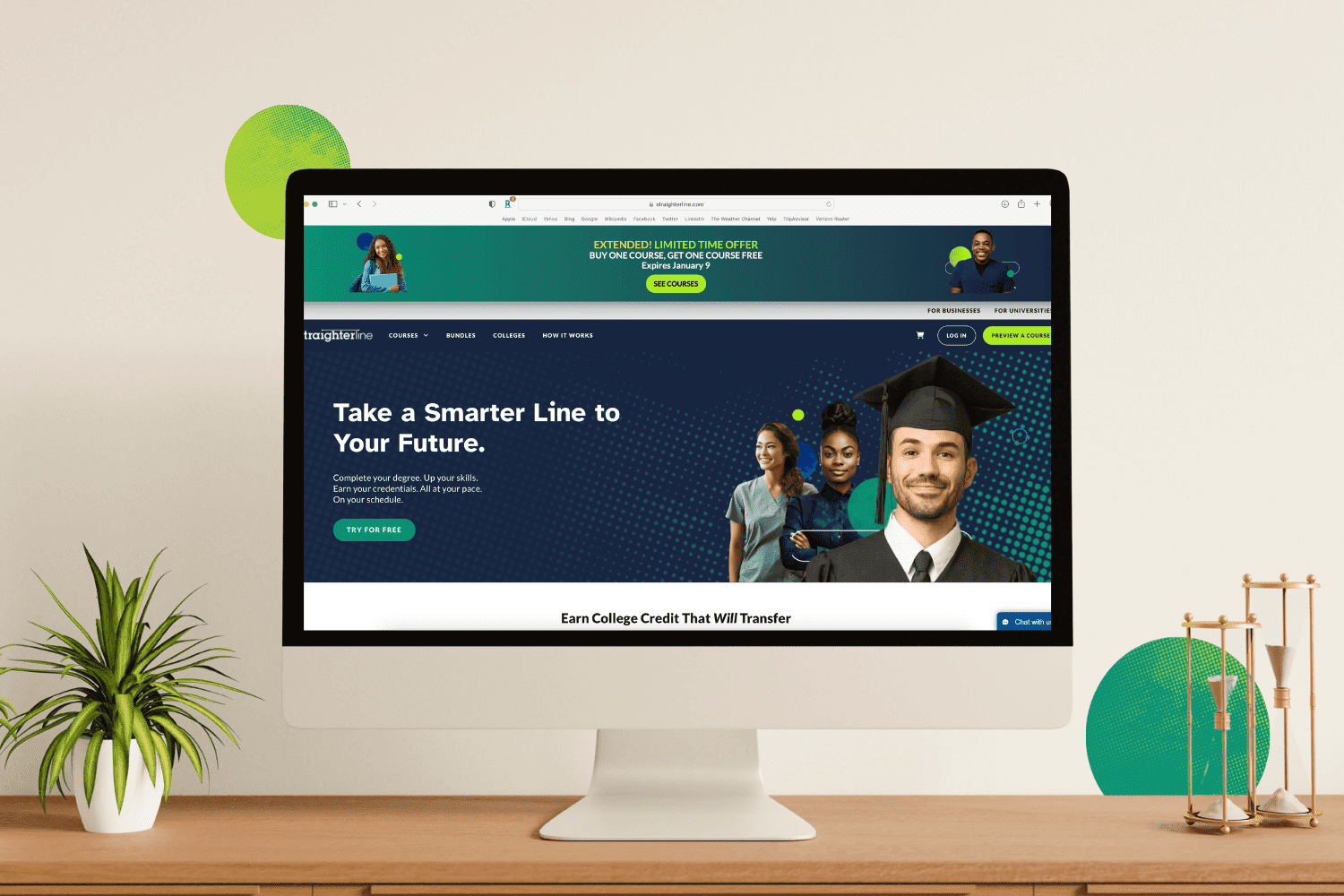
Example: Platforms like StraighterLine let you earn transferable college credits at a fraction of the typical cost and on your own schedule — helping you cut both tuition and time to degree.

How Do I Choose & Prepare for Success?
Ask These Before You Enroll
What exact credits do I need?
Will my credits transfer?
Are there pacing expectations?
What support (tutoring/advising) is offered?
Study Tips for Busy Adults
Schedule regular study blocks
Use a planner or digital calendar
Break tasks into bite-size pieces
Use support resources early
Self-paced doesn’t mean unstructured. Success favors planning!
What Employers Think of Online Degrees
Employers care about accreditation and skills, not just the format. A well-chosen online degree from an accredited school shows drive and initiative — especially when paired with relevant experience.
Many online programs have the same rigor as traditional ones and are increasingly accepted in hiring processes.
Ready to Move Forward? Start Earning College Credits on Your Schedule
Choosing the right online degree as a working adult doesn’t have to be overwhelming. Start by clarifying your career goals, explore flexible, self-paced programs, and build a credit strategy that saves you time and money.
If your priority is affordable, self-paced college credits that fit your life, StraighterLine offers a wide range of transferable online courses you can take at your own pace, so you can build momentum toward your degree without quitting your job.
Check out the StraighterLine course catalog and see how you can begin earning credits that transfer to online degrees nationwide and move you closer to your goals today.
FAQs
Are self-paced online degrees legitimate and accredited?
Yes! Many self-paced online degrees are offered by fully accredited colleges and universities. As long as the institution is accredited by a recognized accrediting body, the degree holds the same academic value as a traditional or scheduled online program
Can I earn an online degree while working full time?
Yes, self-paced online degrees are designed for working adults and allow you to study around your job and personal commitments. With asynchronous coursework, you can log in at nights or weekends and move faster or slower as needed.
How can working adults save money on an online degree?
Working adults can save money by transferring existing credits, earning low-cost transferable credits, and choosing self-paced programs that reduce time to completion. Planning your credit strategy upfront can significantly lower total tuition costs.
Do employers respect self-paced online degrees?
Yes, employers care more about accreditation, skills, and experience than whether a degree was self-paced or traditional. Graduates who pair an online degree with relevant work experience are often viewed just as favorably as traditional graduates.