





Returning to school as an adult can feel overwhelming. But it’s also one of the most rewarding decisions you can make for your career and life goals. Whether you’re finishing a degree you paused years ago, reskilling for a new career, or learning something just for you, this guide breaks down what you need to know today to succeed.
TL;DR: What You Need to About Going Back to School as an Adult
Yes, you can absolutely go back to school as an adult! Adult learners make up a significant portion of today’s student population, many balancing work, family, and studies at the same time. The best way to get started is to:
Define your why. What motivates you?
Choose the right path (certificate, degree, courses)
Create a realistic financial and time plan
Use modern tools and supports to stay on track
Lean into confidence, structure, and community
This guide will walk you through every step, while offering practical tips for success.
What Does “Going Back to School as an Adult” Really Mean?
Going back to school as an adult means enrolling in courses or degree programs after a period away from formal education — whether that was years or decades ago.
For many adults, this isn’t a restart from square one; it’s a strategic step toward career growth, new skills, or personal fulfillment.
Adult learners today are more common than you might think; many people between ages 25–50+ are enrolled in college, certifications, or online learning programs.
Adults return to school for many reasons: career changes, filling skills gaps, finishing unfinished degrees, or simply staying competitive in a rapidly changing job market.
Why Do Adults Go Back to School?
Adults return to school because education unlocks new opportunities: higher earnings, career transitions, updated skills, and personal satisfaction.
Here are the most common reasons:
1. Career Advancement or Change
Tech and other industries evolve fast. New roles often require updated skills or credentialing. As such, going back to school can help you stay relevant and advance.
2. Completing What You Started
Life can interrupt even the best intentions. Returning allows you to finish what you once paused with more experience, resilience, and focus.
3. Closing Skills Gaps
Even if you’re experienced on the job, gaps in knowledge — especially in digital tools, analytics, communication, or leadership — can limit progression.
4. Personal Growth and Confidence
Learning new things can be empowering, and give you a renewed sense of purpose and achievement.
Each of these motivations matters, and your why will shape the path you choose.
How Do You Decide What Schooling You Need?
Start by determining your goals. Then match them with the type of education that will help you reach them.
Here’s how to think about your options:
Certificate vs. Degree
Certificates are quicker, focused credentials for specific skills or roles.
Associate’s and Bachelor’s degrees provide broader knowledge and open more doors long-term.
Online vs. In-Person vs. Hybrid
Online programs offer flexibility, which is ideal for adult learners juggling multiple commitments. Campus-based or hybrid options may offer more structure or community support.
Before choosing, ask:
What skills are required for my goals?
How much time can I realistically commit weekly?
Do I prefer self-paced or scheduled learning?
How Do You Pay for School as an Adult?
Paying for school doesn’t have to hold you back. There are multiple funding strategies you can use.
1. FAFSA and Federal Aid
Filling out the Free Application for Federal Student Aid (FAFSA) is the first step to accessing grants, loans, and work-study options.
2. Scholarships
Many scholarships aren’t age-specific. Target programs that match your goals, industry, or background.
3. Employer Tuition Assistance
Many employers offer tuition reimbursement or support for ongoing education. Ask your HR department what’s available.
4. Affordable Course Options
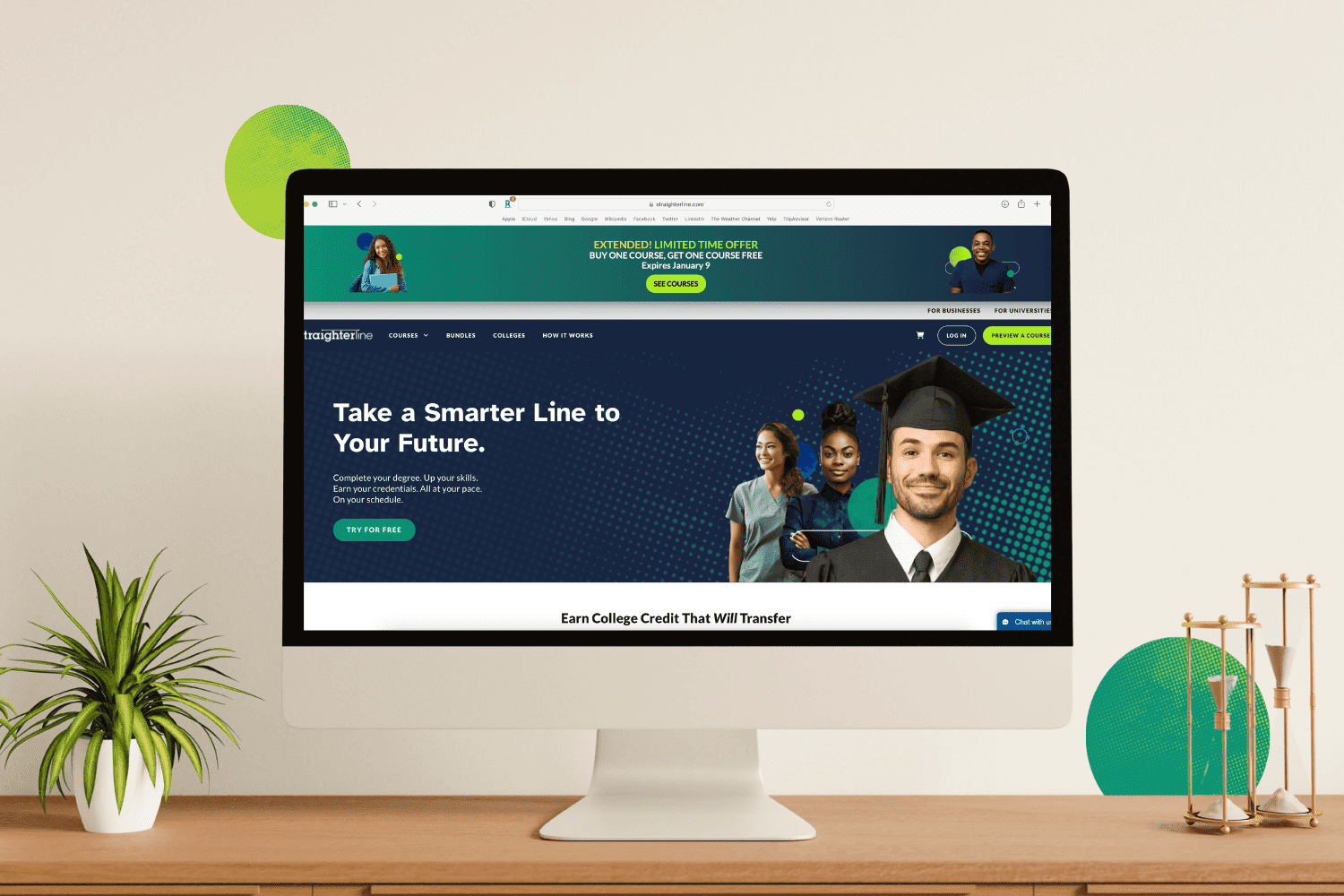
Taking transferable courses through providers like StraighterLine can make your degree more affordable while earning credits that count toward your program.
5. Budgeting & Planning
Build a monthly education budget. Be sure to include books, software, tests, and transportation (if applicable).
How Do You Juggle Adult Life and School Successfully?
Balancing work, family, and school requires intentional planning, structure, and self-care, but it’s absolutely doable.
Build a Schedule
Block out consistent study times
Include buffer time for unexpected events
Use calendars and task apps to stay organized
Get Tech Ready
Familiarize yourself with learning platforms, virtual classrooms, and productivity tools — technology won’t slow you down if you set it up early.
Use Available Resources
Most programs offer tutoring, advising, or study groups. Lean into them!
Study Smart
Effective adult learning strategies include:
Spaced repetition
Active recall
Breaking work into manageable chunks
What Challenges Should Adult Learners Expect?
Challenges like time constraints, financial concerns, and confidence issues are real, but manageable with the right strategies.
Here’s how to navigate them:
Time Pressure
Break tasks into daily or weekly chunks. Small consistent effort beats last-minute cramming.
Confidence & Mindset
It’s normal to feel unsure at first. Remind yourself:
You’ve succeeded in life before
Adult learning uses skills you already have
Financial Stress
Keep financial decisions grounded in planning, not pressure. Work with advisors, and don’t over-borrow.
Should You Start With Online Courses?
Starting with online courses — such as StraighterLine — can be an affordable, flexible way to begin (or continue) your journey back to school.
Online colleges course providers often offer transferable, self-paced general education and prerequisite courses that help you:
Build confidence before enrolling in a larger program
Save money on credits that transfer to many partner institutions
Complete coursework at your own pace, around life commitments
You can preview selected StraighterLine courses for free to see if it’s a good fit.

Your Return-to-School Checklist (Step-by-Step)
Define your why
Set career and education goals
Research programs and delivery formats
Explore financial aid options
Map your weekly schedule
Get tech tools ready
Build a support system
Start with courses that align with your journey
Frequently Asked Questions
Is it too late to go back to school as an adult?
No, it’s not too late to go back to school as an adult. In fact, adult learners are a growing part of today’s student population. Colleges and online programs are increasingly designed for working adults, offering flexible schedules, online courses, and self-paced learning options that make returning to school more accessible at any age.
How long does it take to go back to school as an adult?
The time it takes to go back to school as an adult depends on your goals, prior credits, and the type of program you choose. Certificates may take a few months, while associate or bachelor’s degrees can take anywhere from one to four years. Many adult learners shorten their timelines by transferring credits or completing online self-paced courses that fit their schedules.
How can adults afford to go back to school?
Adults can afford to go back to school through a combination of financial aid, employer tuition assistance, scholarships, and affordable course options. Completing the FAFSA, exploring workplace education benefits, and choosing cost-effective courses that transfer toward a degree can significantly reduce out-of-pocket expenses.
What’s the best way to start going back to school after a long break?
The best way to start going back to school after a long break is to begin with manageable, flexible coursework that rebuilds confidence and momentum. Many adult learners start with general education or prerequisite courses before enrolling in a full degree program, allowing them to ease back into academics while balancing work and life responsibilities.
You’re Closer Than You Think. Get Started Today!
Going back to school as an adult isn’t just possible — it’s a strategic move toward your future. Whether it’s finishing a degree, building new skills, or changing careers, the first step is clarity.
At StraighterLine, we’re here to help make that step easier, more affordable, and fully within your reach.
Ready to get started? Explore StraighterLine courses and start building your future today.