




College education has long been seen as a stepping stone to career success, financial stability, and personal growth. But in today’s fast-changing world, its importance goes far beyond a diploma. A college education can open doors, expand your perspective, increase your earning potential, and give you the confidence to shape your future on your own terms.
Whether you’re just starting to explore your options or considering going back to finish what you started, understanding the real value of college can help you make a smart, empowered decision about what’s next.
TL;DR: Why Is College Education Important?
Here’s the big picture:
College graduates earn more on average over their lifetimes.
A degree can increase job security and career mobility.
College builds critical thinking, communication, and problem-solving skills.
Higher education expands your network and opportunities.
It supports personal growth, confidence, and long-term adaptability.
Flexible, affordable pathways like StraighterLine make earning college credit more accessible than ever.
Now, let’s break it down.
Why Does College Education Matter in Today’s Job Market?
College education matters because many careers require a degree, and even when they don’t, employers often prefer candidates who have one.
The modern job market is competitive. Roles in healthcare, education, technology, business, and countless other fields require formal credentials. Even in industries where a degree is not strictly required, having one can make you stand out. It signals commitment, discipline, and the ability to learn and adapt.
According to labor market trends, individuals with a bachelor’s degree tend to experience lower unemployment rates than those with only a high school diploma. Employers see a degree as proof that you can set a long-term goal and follow through.
At the same time, college is not just about checking a box. It equips you with transferable skills like time management, collaboration, research, and digital literacy. These are skills that apply across industries and remain valuable even as technology evolves.
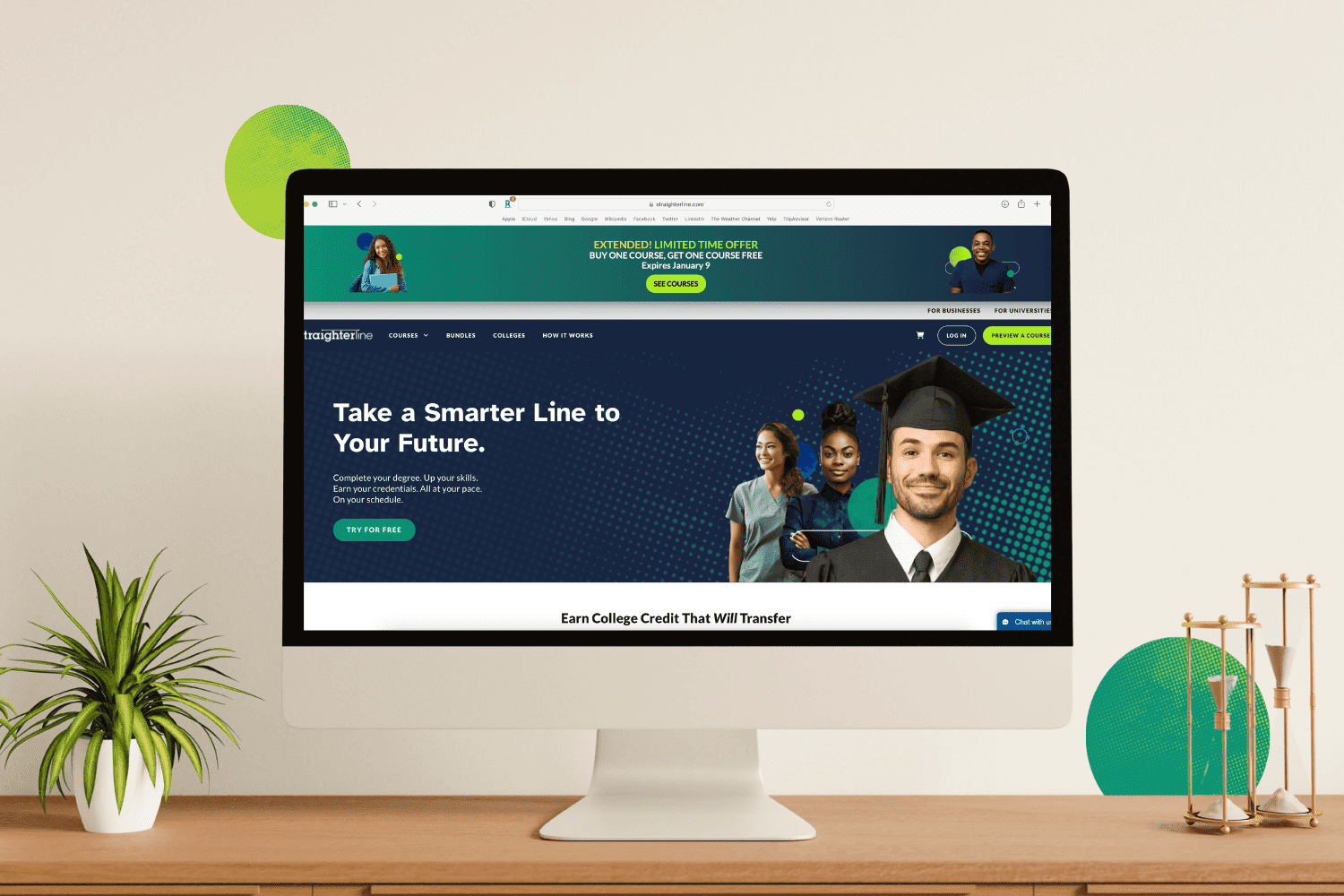
For students who want to move efficiently into the workforce, starting with affordable general education courses through platforms like StraighterLine can help you build momentum. You can earn transferable credits, save on tuition, and move toward your degree without overpaying or overcomplicating the process.

Does a College Degree Really Increase Earning Potential?
Yes, on average, a college degree significantly increases lifetime earning potential.
Data consistently shows that individuals with a bachelor’s degree earn more over their careers compared to those with only a high school diploma. While salaries vary by field, education level remains one of the strongest predictors of income.
But earning potential is not just about the first job after graduation. A degree can create access to promotions, leadership roles, and specialized positions that offer higher pay and stronger benefits. Over time, those opportunities add up.
Beyond salary, college graduates often have access to:
Employer-sponsored health insurance
Retirement benefits
Paid time off
Professional development opportunities
All of these contribute to long-term financial stability.
Of course, cost matters too. The value of a college degree increases when you earn it affordably. Reducing tuition costs, avoiding unnecessary debt, and completing credits efficiently can dramatically improve your return on investment. That’s why many students look for flexible, lower-cost ways to complete required courses before transferring them to their chosen institution.
How Does College Support Personal Growth?
College supports personal growth by expanding your perspective, challenging your thinking, and building confidence.
In college, you’re exposed to new ideas, diverse perspectives, and different ways of solving problems. You learn to analyze information, question assumptions, and form evidence-based opinions. That growth shapes how you approach decisions, relationships, and your career.
Higher education also builds independence. Managing coursework, deadlines, and responsibilities strengthens your self-discipline. Completing a degree proves to yourself that you can commit to something meaningful and follow it through.
For many students, especially adult learners, returning to school is about more than career advancement. It’s about finishing what they started. It’s about showing their families what’s possible. It’s about reclaiming a goal that may have been put on hold.
Flexible learning options play a big role here. When education fits your life, rather than forcing you to rearrange everything around it, you’re more likely to persist and succeed. Online, self-paced courses can make it easier to balance work, family, and school while still moving forward.
Does College Help Build Important Life Skills?
Yes, college helps develop practical skills that extend far beyond the classroom.
While subject knowledge is important, many of the most valuable outcomes of higher education are skill-based. These include:
Critical thinking
Communication
Problem-solving
Research and analysis
Collaboration
Adaptability
Employers consistently rank these skills among their top priorities. In a world shaped by automation and rapid change, the ability to think critically and communicate clearly is essential.
College assignments, presentations, group projects, and exams are not just academic exercises. They simulate real-world challenges. You learn how to manage competing deadlines, work with different personalities, and present ideas effectively.
Even online courses require discipline and initiative. Completing coursework independently builds accountability and time management skills that translate directly to the workplace.
Is College Still Worth It in a Changing Economy?
Yes, college remains worth it for many people, especially when approached strategically.
The economy is evolving quickly. Technology is transforming industries. Remote work is more common. New career paths are emerging. In this environment, adaptability is everything.
A college education provides a foundation that makes it easier to pivot. It demonstrates that you can learn new concepts, apply knowledge, and grow with changing demands. Even if you change careers later, your degree can still serve as a baseline credential that opens doors.
That said, the traditional four-year, high-cost pathway is not the only way to earn a degree. Today’s students have more options than ever. You can start at a community college, take online general education courses, or transfer credits strategically to reduce costs and increase flexibility.
For example, many students complete core requirements through StraighterLine before transferring those credits to a partner institution. This approach can help you move faster and save money, while still working toward an accredited degree. It’s not about shortcuts. It’s about making smart choices that align with your goals and your budget.
How Does College Expand Your Network?
College expands your network by connecting you with peers, professors, and professionals in your field.
Networking is often overlooked when discussing the value of higher education, but it can be transformative. Your classmates may become future colleagues, business partners, or collaborators. Professors can serve as mentors and references. Internship opportunities can connect you with employers before you even graduate.
These relationships often shape career trajectories in ways that are hard to predict. Being part of an academic community exposes you to opportunities that may not be visible otherwise.
Even in online environments, networking still happens. Discussion boards, group projects, virtual office hours, and alumni communities all create spaces for connection. What matters most is engagement.
The more you participate, ask questions, and seek feedback, the more you benefit.
What About Students Who Think College Isn’t for Them?
College can be for more people than they initially think, especially with flexible pathways available.
Some students hesitate because of cost. Others worry about time, family responsibilities, or academic confidence. These concerns are valid. But higher education today looks different than it did a decade ago.
You don’t have to move across the country or attend full time to earn meaningful college credit. You don’t have to take on overwhelming debt. You don’t have to put your life completely on hold.
Online, self-paced learning has made it possible to study on your schedule. Affordable credit options have made it easier to start without a massive financial commitment. Transfer partnerships have simplified the path to a degree.
If you’ve ever thought, “College just isn’t realistic for me,” it might be worth exploring what modern options look like. You may find that there is a path that fits your life better than you expected.
How Can You Make College More Affordable and Flexible?
You can make college more affordable and flexible by planning strategically and exploring alternative credit pathways.
Start by understanding your end goal. What degree do you want? What school do you plan to attend? Then, look at the required courses. Many programs share similar general education requirements such as English composition, math, science, and social sciences.
Completing those courses through affordable, transferable options can significantly reduce overall tuition costs. This approach allows you to save money on foundational credits and focus your budget on upper-level or specialized courses at your chosen institution.
Flexibility matters too. Self-paced courses let you move quickly through material you already understand and spend more time on topics that require deeper focus. That efficiency can help you graduate sooner.
StraighterLine was built around this idea. By offering low-cost, online college courses designed to transfer to partner schools, it gives students a practical way to start or continue their education without unnecessary financial strain. It’s about creating momentum and removing barriers so you can keep moving toward your goals.
What Is the Long-Term Impact of a College Education?
The long-term impact of a college education includes higher earnings, greater stability, expanded opportunities, and personal fulfillment.
Over a lifetime, a degree can influence where you live, the work you do, and the opportunities available to your family. It can create generational change. It can shift your career trajectory. It can increase your confidence in professional and personal settings.
Education is not just a transaction. It’s an investment in your future self.
While there are many paths to success, college remains one of the most reliable ways to expand your options. It does not guarantee a specific outcome, but it increases the range of possibilities available to you.
Ready to Take the Next Step?
College education is about more than earning a credential. It’s about building skills, increasing earning potential, expanding your network, and investing in your future. It’s about proving to yourself that you can set a goal and achieve it. And in today’s world, there are more flexible, affordable ways to make it happen than ever before.
If you’ve been thinking about starting college, finishing your degree, or finding a smarter way to earn credits, now is the time to explore your options.
StraighterLine can help you complete transferable college courses online, at your pace, and at a fraction of the traditional cost.
Your future is not on pause. You have goals for a reason. Take the next step, build momentum, and start moving toward the degree and career you deserve with StraighterLine.
FAQs
Why is college education important today?
College education is important because it increases earning potential, improves job security, and builds critical skills like communication and problem-solving. In today’s competitive job market, many employers prefer or require a degree, making higher education a strong investment in long-term career growth.
Does a college degree really increase earning potential?
Yes, on average, individuals with a college degree earn more over their lifetime than those with only a high school diploma. A degree can also open the door to leadership roles, promotions, and careers with stronger benefits and long-term stability.
Is college still worth it with rising tuition costs?
College can still be worth it, especially when approached strategically. Choosing affordable pathways, completing transferable general education courses, and minimizing student debt can significantly improve the return on investment of a college degree.
What are flexible options for earning college credit?
Students can earn college credit through online, self-paced courses, community colleges, and transfer-friendly programs. Options like StraighterLine allow students to complete affordable, transferable courses that fit their schedule and help them move toward a degree more efficiently.